TheFinQ.com is designed to be your one-stop destination for everything related to cards, loans, and investment products across India. We help you compare and choose the best financial products that suit your needs, including:

When it comes to saving money, investing, or getting a loan, choosing the right bank is crucial. In India, banks are mainly divided into different categories, including commercial banks and small finance banks. Both serve different purposes and have their own set of benefits. But do you know how they differ and where you should keep your money for better security and returns? Let’s understand in simple terms.
Commercial banks are the most common type of banks in India. These banks provide various financial services, such as savings accounts, fixed deposits, loans, and investment options. They serve both individuals and businesses and are regulated by the Reserve Bank of India (RBI).
Types of Commercial Banks
Key Features of Commercial Banks
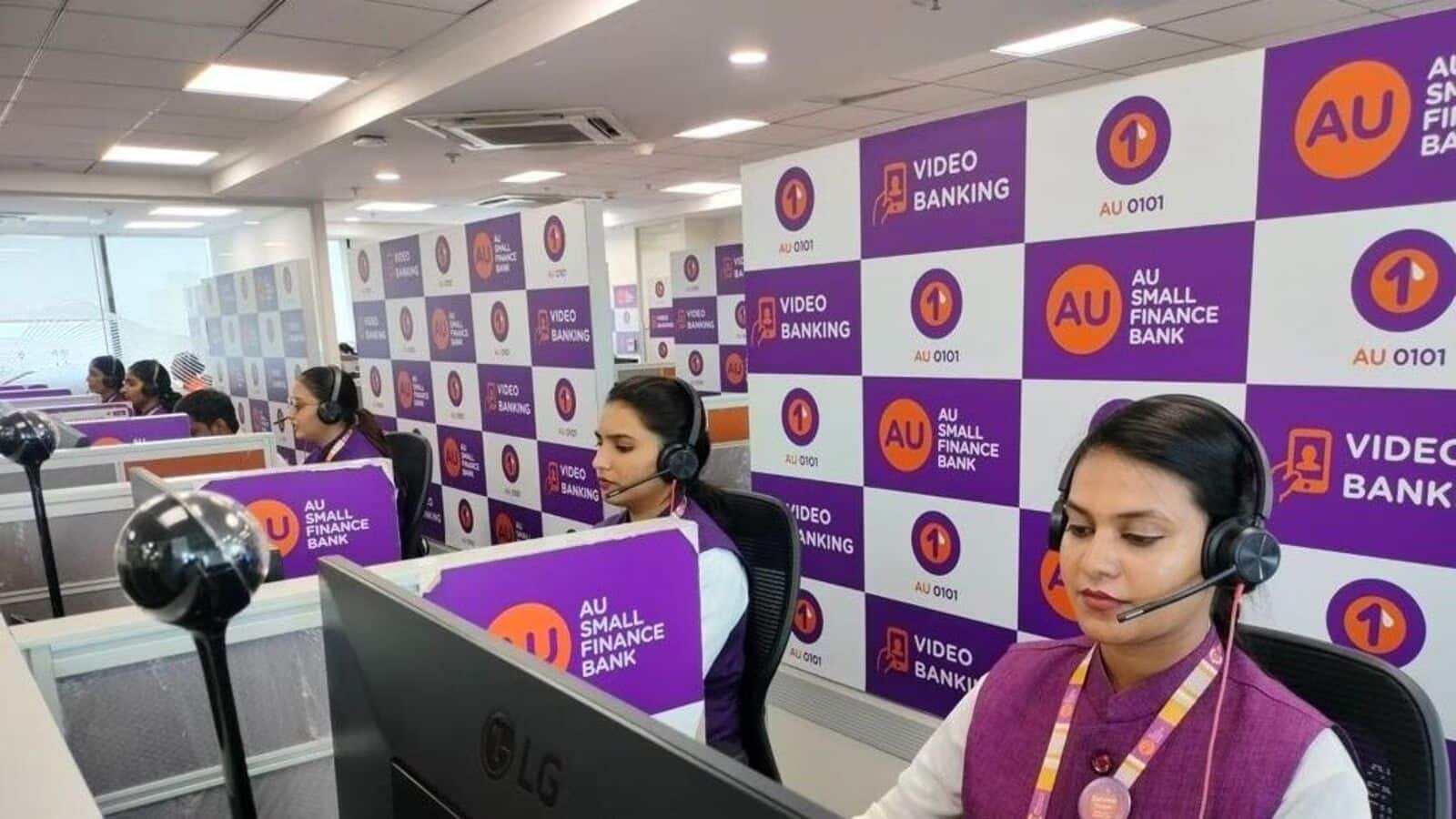
Small Finance Banks (SFBs) are a type of specialized bank set up to provide financial services to low-income individuals, small businesses, and underserved sectors. These banks focus on rural and semi-urban areas where people have limited access to banking services.
Examples of Small Finance Banks in India
Key Features of Small Finance Banks
| Feature | Commercial Banks | Small Finance Banks |
| Target Customers | General public, businesses, corporates | Small businesses, low-income groups, rural population |
| Loan Services | Large loans for industries, home loans, business loans | Small-ticket loans for small businesses and individuals |
| Branch Network | Wide network across the country | Limited branches, mostly in rural and semi-urban areas |
| Deposit Safety | Regulated by RBI, deposits insured up to ₹5 lakh | Regulated by RBI, deposits insured up to ₹5 lakh |
| Interest Rates on Savings | Moderate (3-4% on savings) | Higher (5-7% on savings) |
| Technology & Digital Banking | Well-developed mobile and internet banking services | Digital banking is improving but still growing |
| Investment Options | Mutual funds, stock market investment, wealth management | Limited investment options |
If you are wondering where to keep your money safe, here are some things to consider:
1. If You Need Stability & Full Banking Services
2. If You Want Higher Interest on Savings
3. If You Live in a Rural or Semi-Urban Area
4. If You Want Strong Digital Banking Services
Both small finance banks and commercial banks play an important role in the Indian banking system. If you want a trusted bank with a wide network and full banking services, a commercial bank is the best choice. However, if you are looking for higher interest rates on savings and simple banking solutions, then small finance banks can be a good option.
No matter which bank you choose, make sure to check its RBI regulations, deposit insurance, and banking services before making a decision. A well-planned financial strategy will help you get the best returns while keeping your money safe.


