Spices are an essential part of Indian cuisine, making the masala business a highly profitable opportunity. If you want to start a business with low investment and high returns, a home-based spice business is a great choice. This business requires minimal space, and you can begin with just basic ingredients and equipment. Let’s explore the step-by-step process to start a masala business and the strategies to make it successful.
Why Start a Masala Business?
High Demand: Spices are used daily in every household, making them a necessity.
Low Investment: You don’t need a large capital to start; raw materials and packaging cost little.
Easy to Start: With basic kitchen tools and grinding machines, you can begin at home.
Great Profit Margins: Proper marketing and branding can help you earn high profits.
Scalability: You can start small and expand gradually as demand increases.
How to Start a Home-Based Masala Business?
1. Research and Planning
Before starting any business, research is crucial. Understand different types of spices, their market demand, and target customers. Study competitors to see what makes their products successful.
2. Decide on the Type of Masala
There are various types of spices you can sell:
Single Spices: Turmeric, chili powder, coriander powder, etc.
Blended Spices: Garam masala, chaat masala, sambar powder, etc.
Custom Spice Mixes: Unique flavors that attract specific customers.
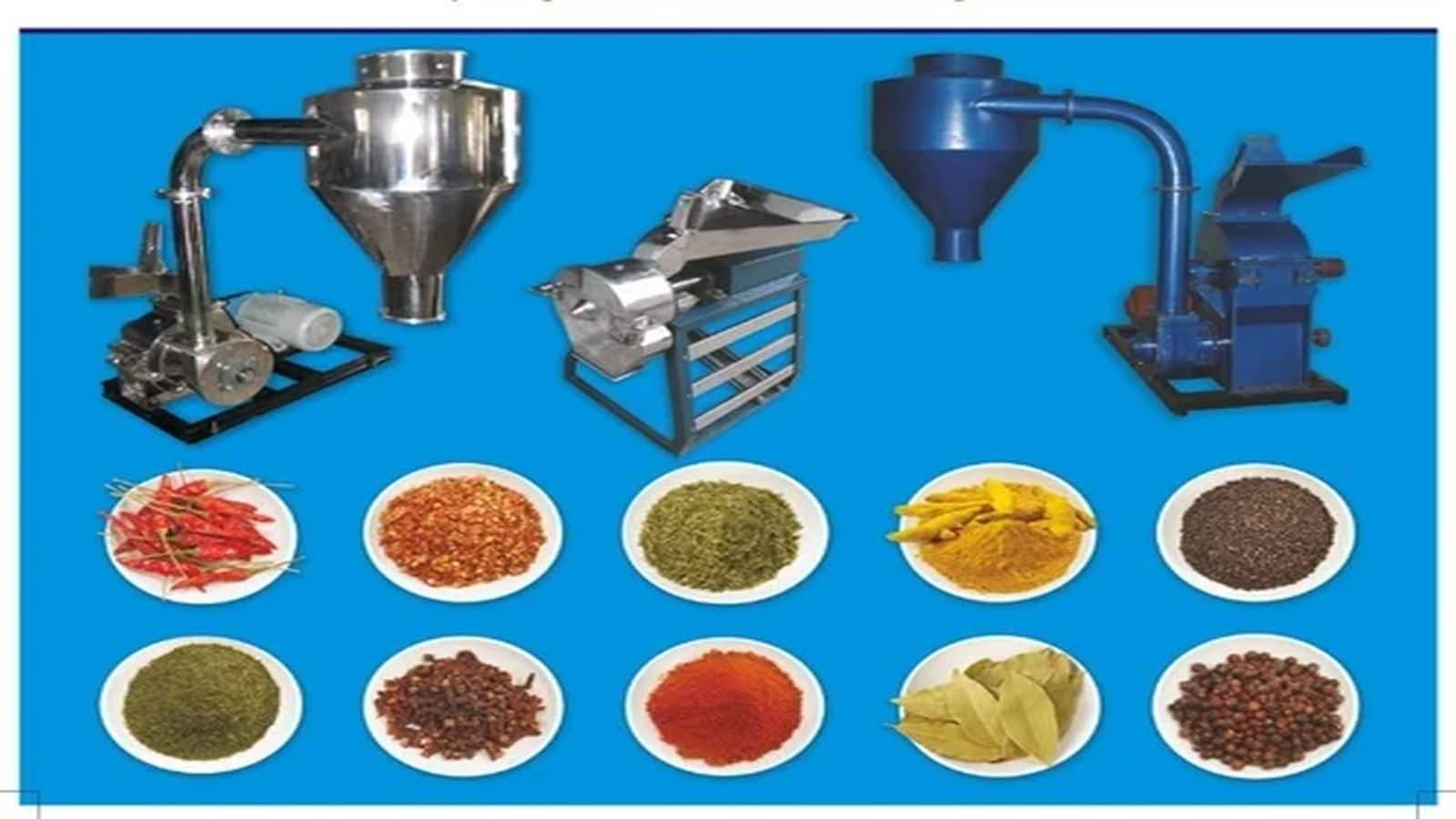
To produce high-quality masalas, you need fresh and good-quality raw materials. You can source them from wholesale spice markets. Basic equipment required includes:
Grinder or pulverizer
Weighing scale
Sieving machine
Packaging materials (pouches, labels, and jars)
4. Get Necessary Licenses and Registrations
Even for a home-based business, you need legal permissions:
FSSAI Registration: Required for selling food products.
GST Registration: If your turnover exceeds the limit.
Trademark Registration: To protect your brand name.
MSME Registration: For availing government benefits.
5. Packaging and Branding
Attractive packaging and branding help in increasing sales. Your packaging should be:
Airtight to maintain freshness
Properly labeled with brand name, ingredients, and expiry date
Eye-catching to stand out in the market
6. Pricing Your Spices
Decide a competitive yet profitable price by calculating:
Cost of raw materials
Processing and packaging costs
Marketing and distribution expenses
Profit margin
7. Marketing and Selling Your Masalas
Marketing plays a crucial role in the success of your business. You can sell through various platforms:
Offline Selling
Local grocery stores and supermarkets
Farmers’ markets and exhibitions
Distributors and wholesalers
Online Selling
Create an Instagram and Facebook page
Sell on e-commerce platforms like Amazon, Flipkart, and Meesho
Sell in Bulk: Partner with restaurants and caterers to sell larger quantities.
Provide Sample Packs: Give free samples to attract customers.
Expand Product Line: Introduce ready-to-cook masalas and organic spices.
Final Thoughts
Starting a home-based masala business is a great way to earn money with minimal investment. By ensuring quality, branding well, and using smart marketing strategies, you can make your spice business a huge success. Begin today and turn your passion for spices into a profitable venture!
Diwanshu Dika is an accomplished content writer with extensive expertise in the fields of insurance, taxation, and investment. With over eight years in the industry, Diwanshu has a knack for distilling complex financial topics into clear, relatable content that resonates with a diverse audience. He has collaborated with numerous financial institutions and online platforms, providing insightful articles, blog posts, and educational resources. Outside of writing, he enjoys researching emerging financial technologies and trends.